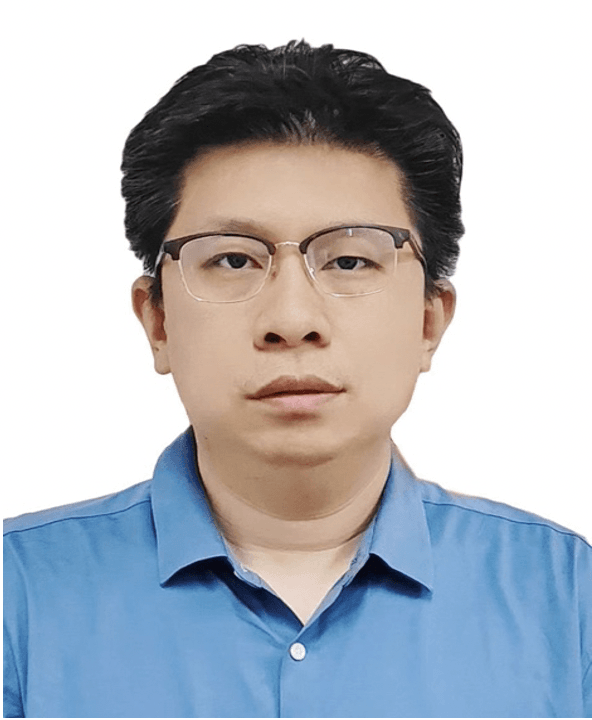
CHANG Hao, China
Peking University
Currently a PI/Assistant Professor at the National Biomedical Imaging Center, College of Future Technology, Peking University. He received his B.S. in Life Sciences from the University of Science and Technology of China in 2008, and his Ph.D. in Cell Biology from the Institute of Biophysics, Chinese Academy of Sciences in 2013 under the supervision of Prof. Tao Xu,. From 2013 to 2019, he conducted postdoctoral research at Yale School of Medicine and the Howard Hughes Medical Institute (HHMI) with Prof. Tian Xu. Then he worked with Ivan De Araujo on neural circuits and metabolic regulation at Mount Sinai hospital. From 2024 to 2025, he served as a Research Assistant Professor in the Department of Neuroscience at the Icahn School of Medicine at Mount Sinai.
His research centers on the gut–brain axis and brain–body interactions, aiming to elucidate how the central nervous system regulates gastrointestinal function via pathways such as the vagus nerve, and how the intestinal microenvironment feeds back to the brain. His work focuses on uncovering cross-system communication networks among the nervous, immune, and microbiota systems. Methodologically, he integrates neurogenetics, single-cell omics, in vivo multiphoton imaging, and AI-based modeling across multiple scales.Representative achievements include the discovery of a novel “central amygdala–vagus nerve–Brunner’s gland” circuit (Cell, 2024); the establishment of a forward genetic screening platform in mammals (PNAS, 2019); and advances in multi-scale imaging technologies (Cell, Nature Methods, PNAS).
Lecture:How stressed-out brain influence on gut immunity